
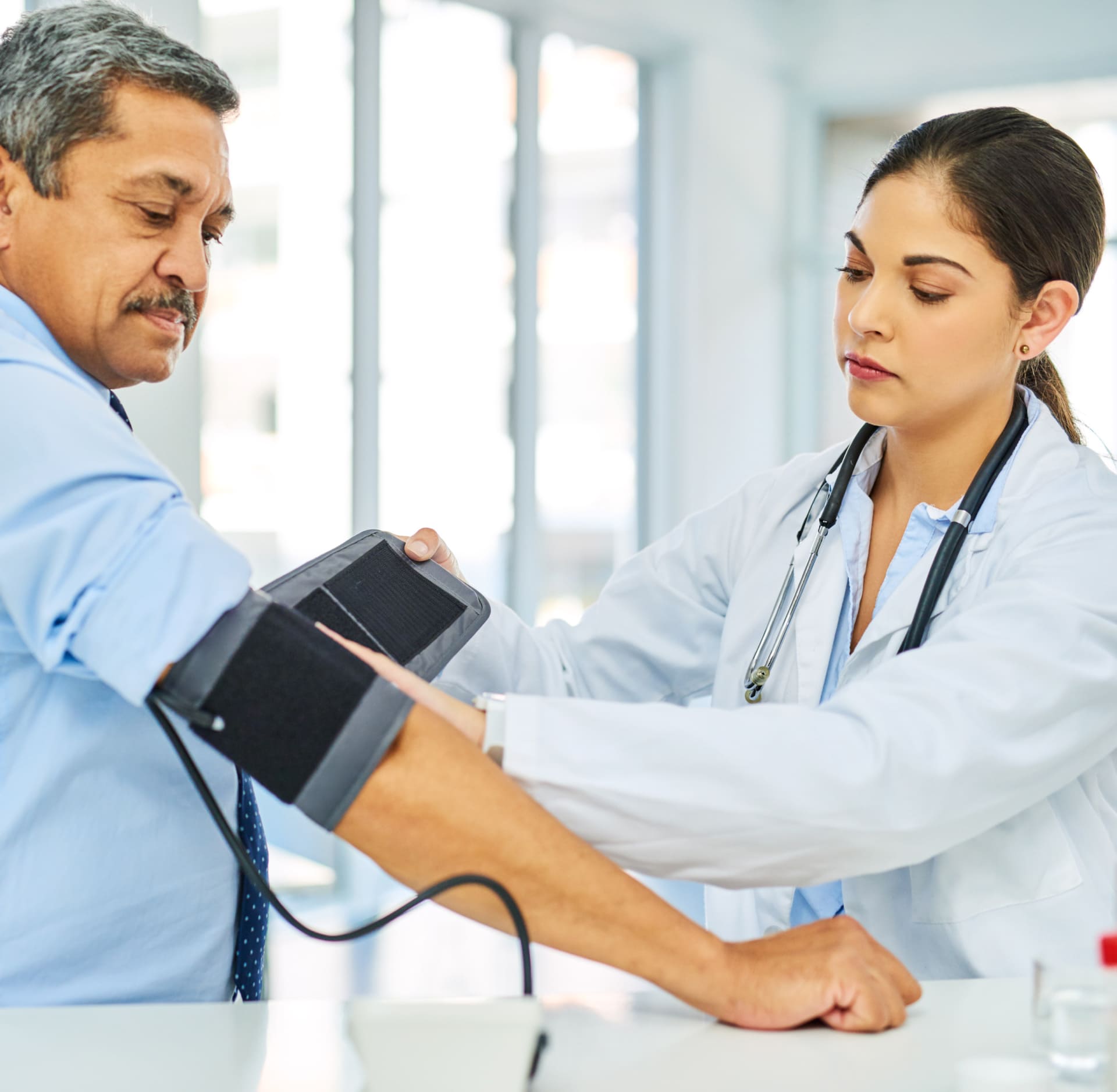
Regular health checkups are one of the most effective ways to maintain long-term health and detect medical conditions at an early stage. Many serious illnesses develop silently without noticeable symptoms, making routine diagnostic screening essential for timely diagnosis and preventive care. Through regular health evaluations, individuals can better understand their health status, identify potential risks, and take proactive steps toward healthier living.
Early Detection Saves Lives
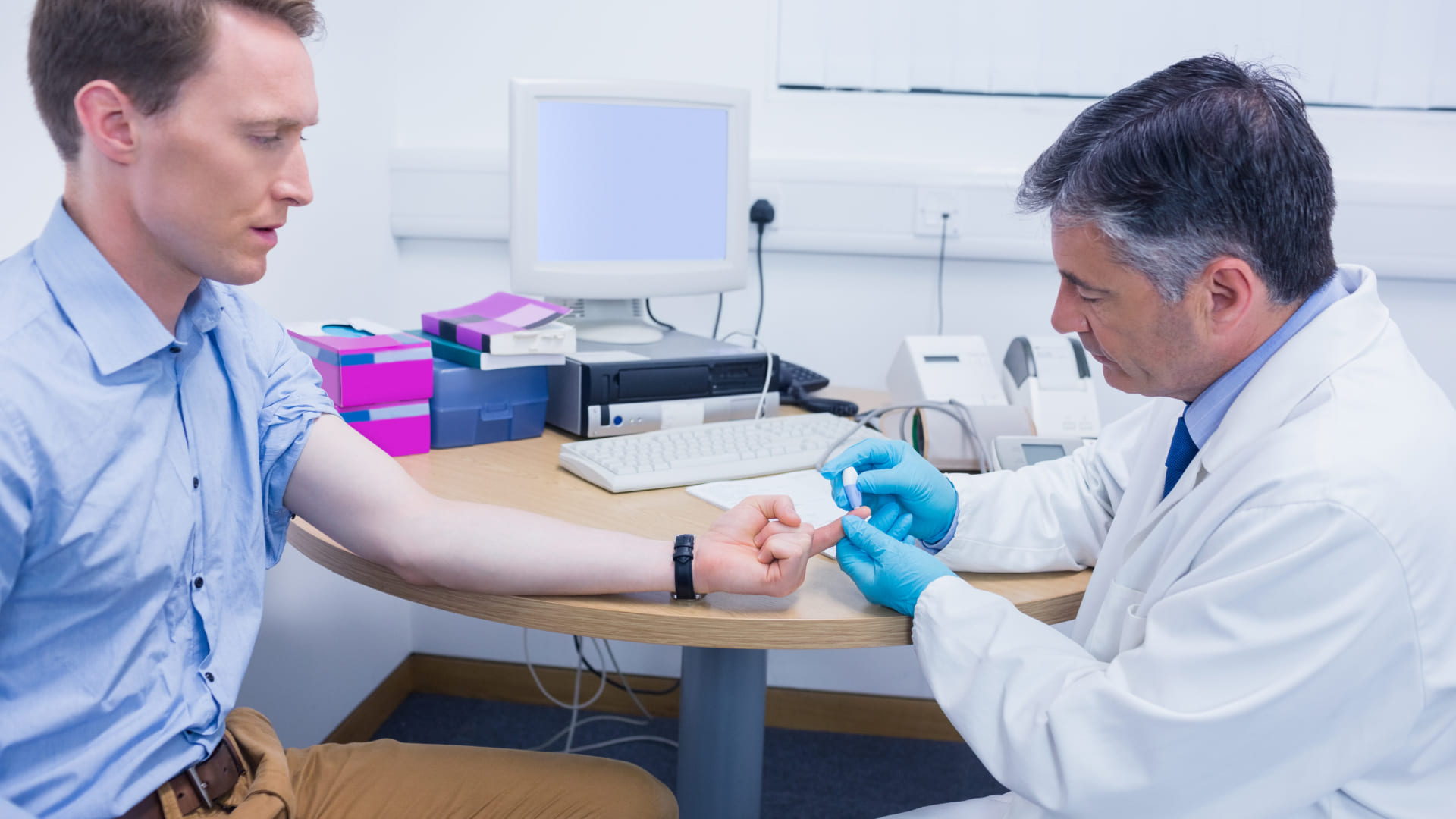
One of the biggest advantages of routine health checkups is the early detection of diseases and medical conditions. Diagnostic tests such as blood investigations, ultrasound scans, ECG monitoring, and laboratory screenings can help identify issues like diabetes, hypertension, heart disease, thyroid disorders, and infections before they become severe.
Early diagnosis allows doctors to begin treatment at the right time, improving recovery chances and reducing long-term complications. Preventive healthcare not only protects overall well-being but also helps reduce the emotional and financial burden associated with advanced medical conditions.
Why Preventive Diagnostics Matter
Preventive diagnostic care plays a major role in maintaining a healthy lifestyle and improving quality of life. Regular monitoring helps healthcare professionals track changes in the body, evaluate organ function, and identify health risks linked to age, lifestyle, stress, or family medical history.
Modern diagnostic technology has made health screenings faster, safer, and more accurate than ever before. Services such as Doppler studies, AI-powered ECG analysis, ultrasound imaging, and automated laboratory testing provide reliable insights that support better medical decision-making and personalized healthcare planning.
Conclusion
Health checkups should not only happen when symptoms appear. Routine diagnostic screening is an important step toward prevention, early intervention, and long-term wellness. By prioritizing regular health evaluations, individuals can make informed healthcare decisions, reduce future health risks, and maintain better overall health with confidence and peace of mind.
